Oleh Harun Al-Rasyid Lubis. Professor of Transportation Systems Engineering Institut Teknologi Bandung (ITB).
A 50-year plan does not mean building everything immediately. Indeed, one of its greatest benefits is determining what not to build yet. Future projects should pass explicit decision gates.
Before construction, each phase should demonstrate adequate demand, positive economic returns, manageable fiscal exposure, acceptable foreign-exchange risk, environmental feasibility, land availability and integration with regional and urban transport.
If those conditions are not satisfied, construction should wait. But waiting to build is not the same as waiting to plan.
Java continues to urbanize rapidly. Potential railway corridors will become increasingly expensive and difficult to acquire. Indonesia should therefore identify and protect strategic rights-of-way long before construction begins.
Railways and Cities Must Be Planned Together

High-speed rail does not automatically create prosperous new cities.
A station creates accessibility. Whether that accessibility becomes economic development depends on land-use policy, feeder transport, housing, industry and local governance.
Kertajati illustrates the opportunity. Connecting its airport with the Bandung branch and northern railway corridor could greatly expand its catchment area.
But rail access alone will not create an aerotropolis. Airport development, universities, industry, housing and public transport must be planned together.
The same principle applies to Cirebon, Semarang, Surabaya and other future station areas.
Urban rail is equally important to national energy security. High-speed trains may efficiently connect metropolitan regions, but passengers must complete their journeys without returning to dependence on private cars.
Stronger urban rail in Jakarta, Bandung, Semarang and Surabaya should therefore be integral to the strategy.
A Different Financing Architecture
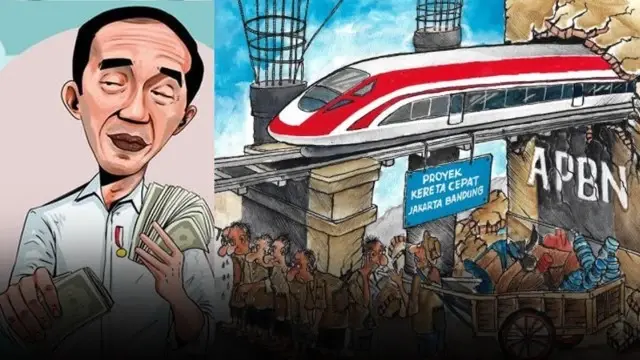
Future railway investment should not automatically inherit Whoosh’s financing structure.
Legacy Whoosh liabilities should be addressed transparently and separated, as far as practicable, from future corridor financing. Long-lived public infrastructure, commercial railway operations and legacy debt involve different risks.
The state has legitimate responsibilities for land acquisition, corridor protection and infrastructure whose benefits extend beyond fare revenue.
Commercial and operating risks should be allocated to parties capable of managing them. Foreign-currency borrowing requires particular caution when railway revenues are predominantly in rupiah.
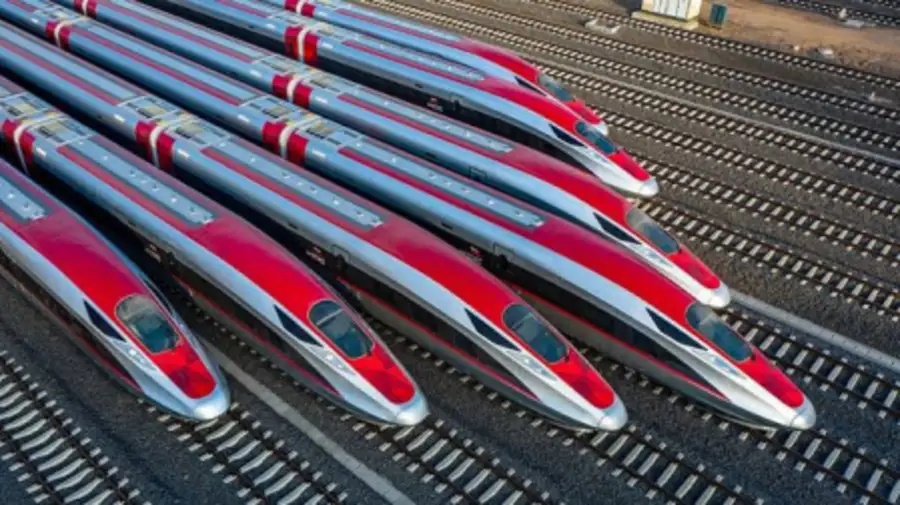
Future corridors should also remain open to transparent international competition. Whoosh was delivered through cooperation between Indonesian and Chinese state-owned enterprises.
That experience is valuable, but it need not determine every subsequent partnership. Chinese, Japanese, Korean, European and other qualified participants should compete on technology, lifecycle cost, financing, interoperability and value for Indonesia.
Continuity Without Rigidity
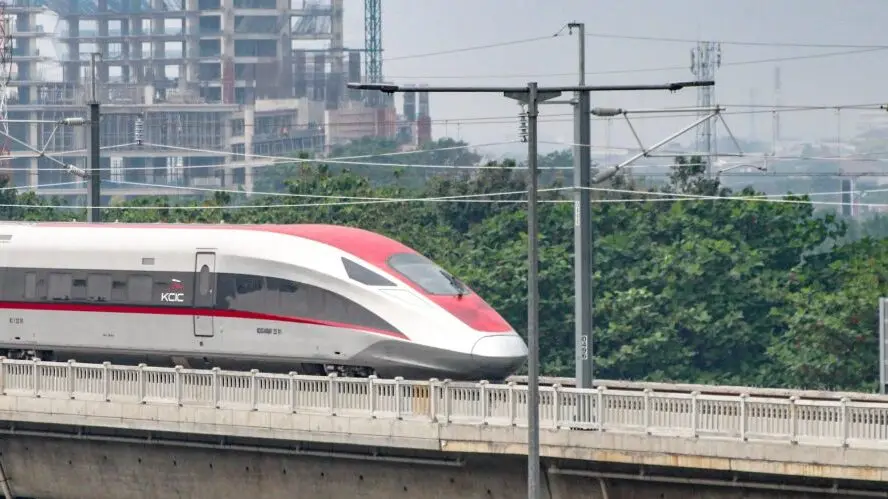
Finally, a railway programme extending toward 2075 cannot depend on one presidential term. Indonesia should consider a dedicated legal framework for high-speed rail, complemented by stronger urban legislation.
The purpose is not to lock one alignment, technology or foreign partner into law.
It is to guarantee continuity of planning: corridor protection, land banking, transparent project appraisal, institutional responsibilities, financing principles, interoperability and periodic review.
Long-term infrastructure requires certainty across governments while retaining flexibility to respond to changing technologies, demographics and economic conditions.
Baca Juga: Whoosh and the Next Phase of Java’s Railway Planning (1): A Tale of Two Problems
President Prabowo’s "pasang badan" should therefore be seen as more than an intervention in Whoosh’s financial difficulties. It offers an opportunity to distinguish two phases of Indonesia’s railway development.
The first demonstrated that Indonesia could build and operate high-speed rail. The next must demonstrate that Indonesia can plan, finance and govern an integrated railway system across generations.
Sasmito is right to remind us that moving debt does not make debt disappear. But solving yesterday’s balance sheet and planning Java’s transport system for the next 50 years are different policy challenges. Indonesia cannot afford to neglect either.
Whoosh’s debt belongs to today’s balance sheet. Java’s railway future belongs to the next generation. The task is to solve the first without sacrificing the second.***
Simak info publik, kebijakan & geopolitik dunia di kanal Whatsapp dan Telegram The Stance.