By Imam B. Prasodjo, sociologist & full-time lecturer at the Faculty of Social and Political Sciences (FISIP) at the University of Indonesia. He earned his M.A. from Kansas State University and his Ph.D. from Brown University in Rhode Island, USA. As the founder of Nurani Dunia Foundation, he actively shares his thoughts on Facebook.
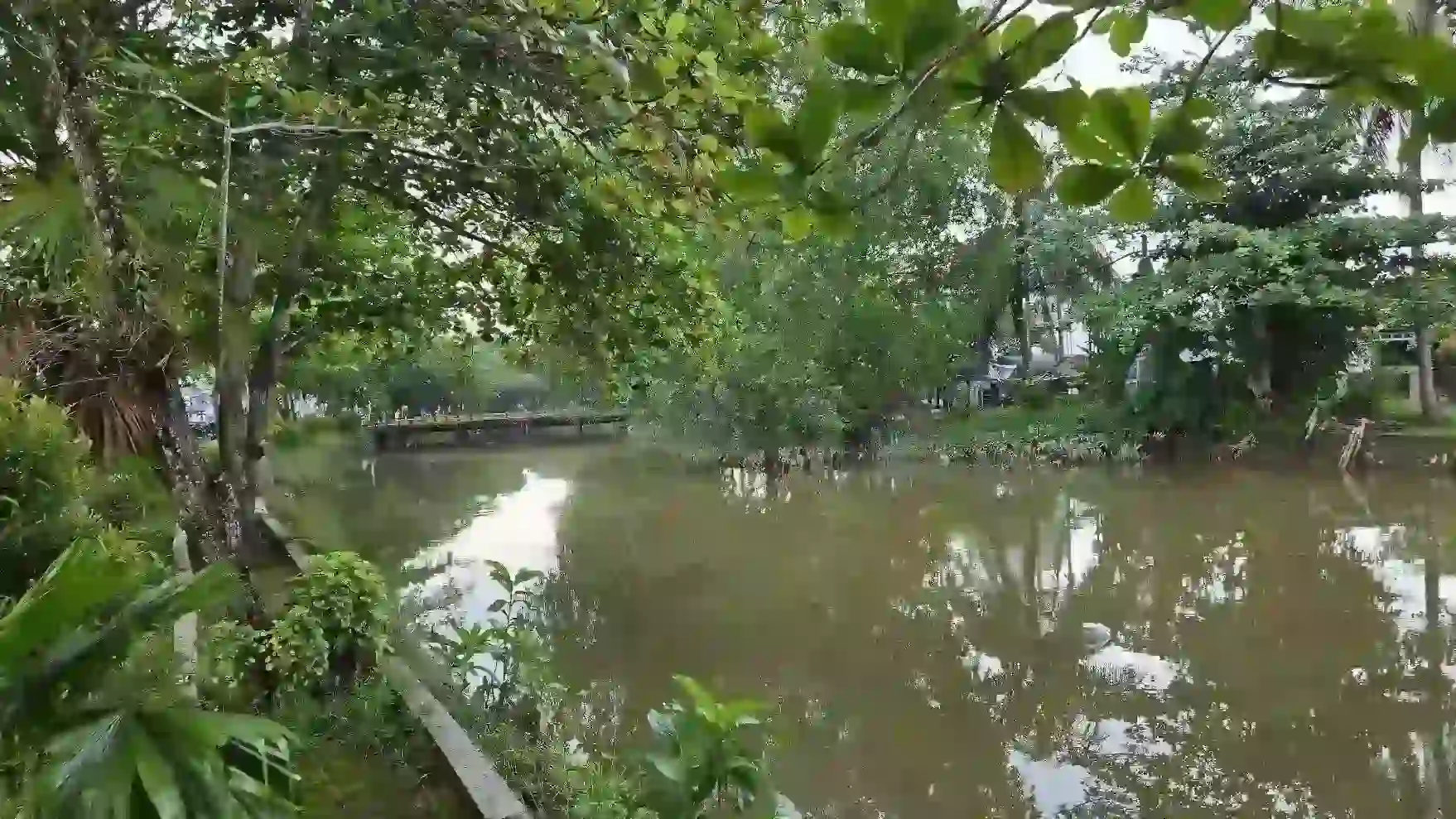
For two days (27-28 November 2025) I again had the opportunity to explore the "City of a Thousand Rivers" Banjarmasin, South Kalimantan.
I don't know how many years I haven't visited this city. I saw again the uniqueness of the city of Banjarmasin.
This city is unique because the city area is crossed by many rivers and most of the city's terrain is below sea level. Many residents who live in this city have houses on the banks of rivers where the water ebbs and flows.
This does not mean that there are no plains that are free from the ebb and flow of river water. There are still areas of the city that are at an altitude of around 6 to 9 meters above sea level. But not much.
Because of this, it seems that the residents here are familiar with living in the middle of a city surrounded by water.
The problem now is how to organize the city of Banjarmasin in the future?
Moreover, a city like Banjarmasin faces no small challenges. In the midst of climate change which makes sea levels increasingly higher, coupled with large deforestation in upstream river areas, will Banjarmasin become a livable city?
The question that also urgently needs to be answered is whether the city of Banjarmasin will lose control because many of the rivers surrounding the city are full of rubbish that spreads pollution. Will this area remain comfortable to live in or vice versa?
Indeed, Banjarmasin is currently facing challenges that are no small.
An Opportunity Widely Open
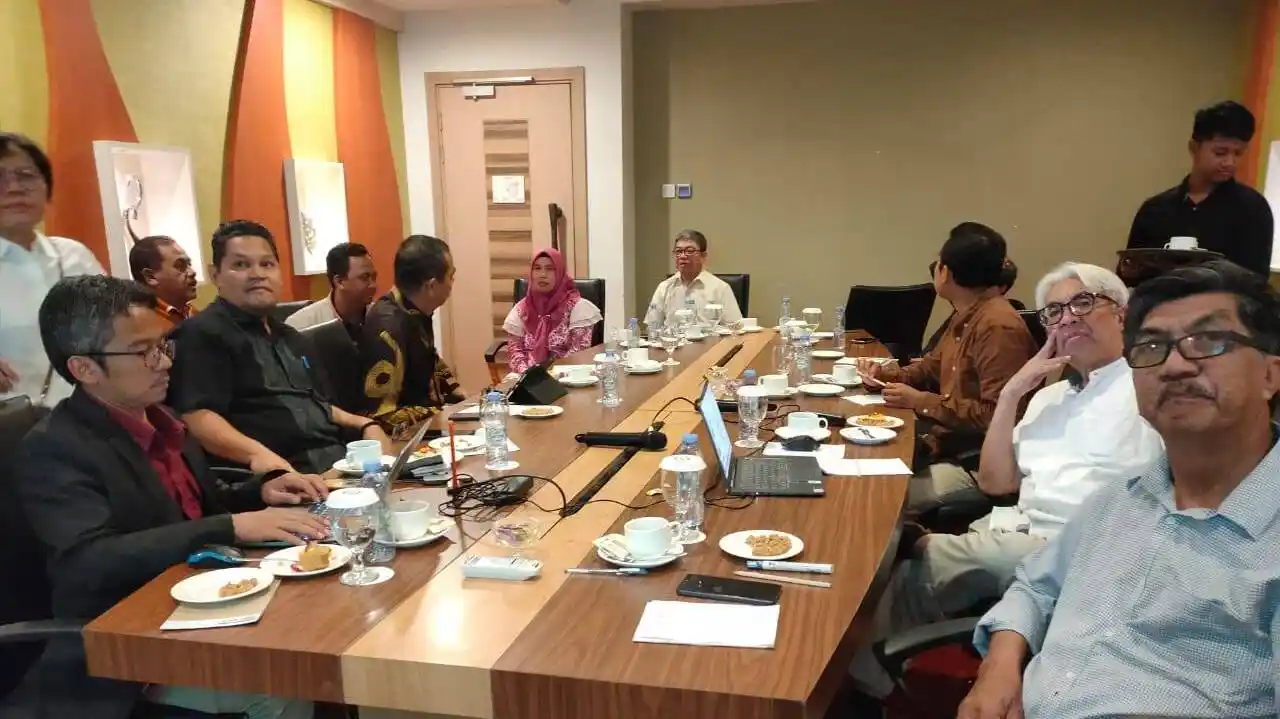 However, in the midst of the big problems facing Banjarmasin, yesterday I was happy to have the opportunity to discuss with several community leaders and young people there.
They have the hope that Banjarmasin will remain an attractive and comfortable city to live in. In that discussion, the idea grew of the importance of a big "movement" to organize this city.
The young people involved in the discussion seemed very interested when they were shown photos of how the Netherlands had arranged its residential environment in the middle of the rivers that flowed around it.
Then a dream arose among the young people present to start a movement to organize the river and clean up the residential environment along the river.
In their imagination, river flows must be greened with organic vegetables and interspersed with colorful ornamental plants that have economic value.
It seems that participatory urban planning movements must be carried out immediately by generating the "permaculture" movement, namely organizing Banjarmasin by building an ecologically and socially sustainable way of life based on the existing natural ecosystem.
Imagine, houses on the edge of a river that now look shabby, turn into a beautiful environment, with beautiful houses facing the river which becomes their front yard.
The yard is then filled with an organic vegetable garden, a source of healthy food. Anyone who passes through this area will see the view of green vegetables and colorful plants hanging in their front yard.
Garbage which currently floats and moves slowly in the river currents, is routinely cleaned and processed into fertilizer and planting media.
Read also: Returning to the "Money Follows the Dream" Approach
Through joint movements, Banjarmasin will be transformed into a "paradise city" by being built in an integrated manner that combines floating organic gardens with the natural environment as an efficient, independent and sustainable system.
In the midst of the big challenges faced, there needs to be a vision. There needs to be optimism. A road map needs to be built to look at a better future.
However, this optimism will only grow if the ideals you have in mind are realized in action.
Hopefully, this discussion, which I happened to be present at, can be the starting point for a large community action movement to make Banjarmasin a city not only livable, but "a beautiful, sustainable city that brings happiness."
Amen.***
Check out the latest public, world policies and geopolitics on The Stance's Whatsapp and Telegram channels.